
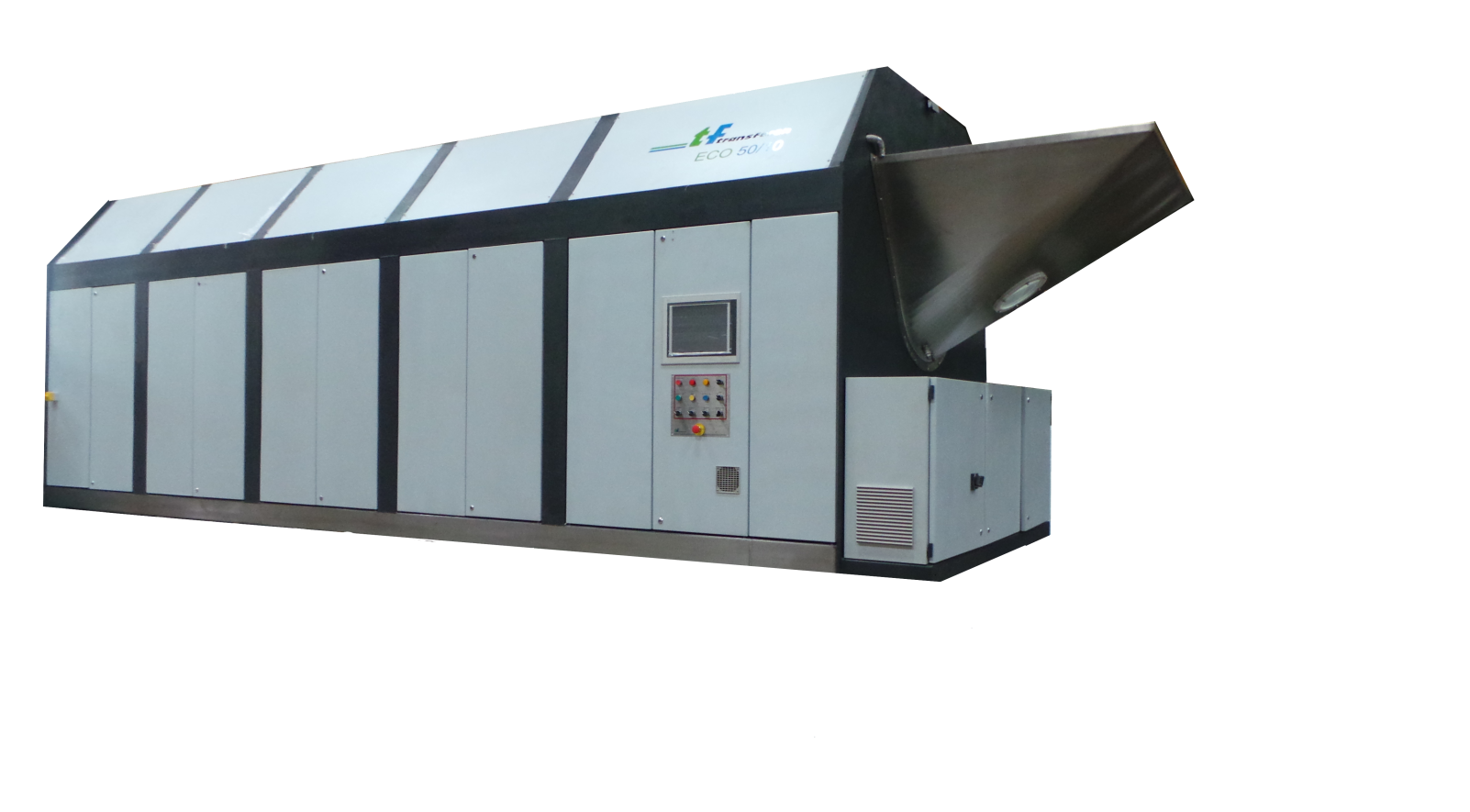
India has made strong progress in manufacturing across many sectors. However, when it comes to commercial laundry machines for hotels and large institutions, there is still a noticeable gap between locally manufactured systems and globally proven commercial technology.
This is not a question of intent or affordability. It is a question of performance at scale.
Commercial laundry environments are demanding. Machines operate continuously, handle heavy loads, and are expected to deliver consistent results with minimal downtime. In these conditions, small design and control limitations quickly translate into higher operating costs and reduced reliability.
At first glance, many locally manufactured machines appear adequate. They perform basic wash and dry functions and may work well in low-volume or intermittent-use settings.
However, commercial laundry performance is measured over thousands of cycles, not initial operation. Differences in motor control, extraction capability, water management, automation, and monitoring become increasingly visible as volume and usage intensity increase.
In real-world operations, these gaps compound quickly. Lower extraction leaves linen wetter, increasing drying time and energy consumption. Manual or less precise dosing raises water and chemical usage while reducing wash consistency. Limited automation and diagnostics delay issue detection and increase operational strain.
Over time, this results in higher utility costs, reduced daily capacity, faster linen wear, and greater vulnerability during peak demand.
This is not a permanent assessment. Indian manufacturing capability is evolving rapidly, and progress is clearly visible.
But today, for high-volume, mission-critical commercial laundry operations, consistency, efficiency, and uptime still favor globally proven systems.
That is why many hotels and large institutions continue to rely on them.